
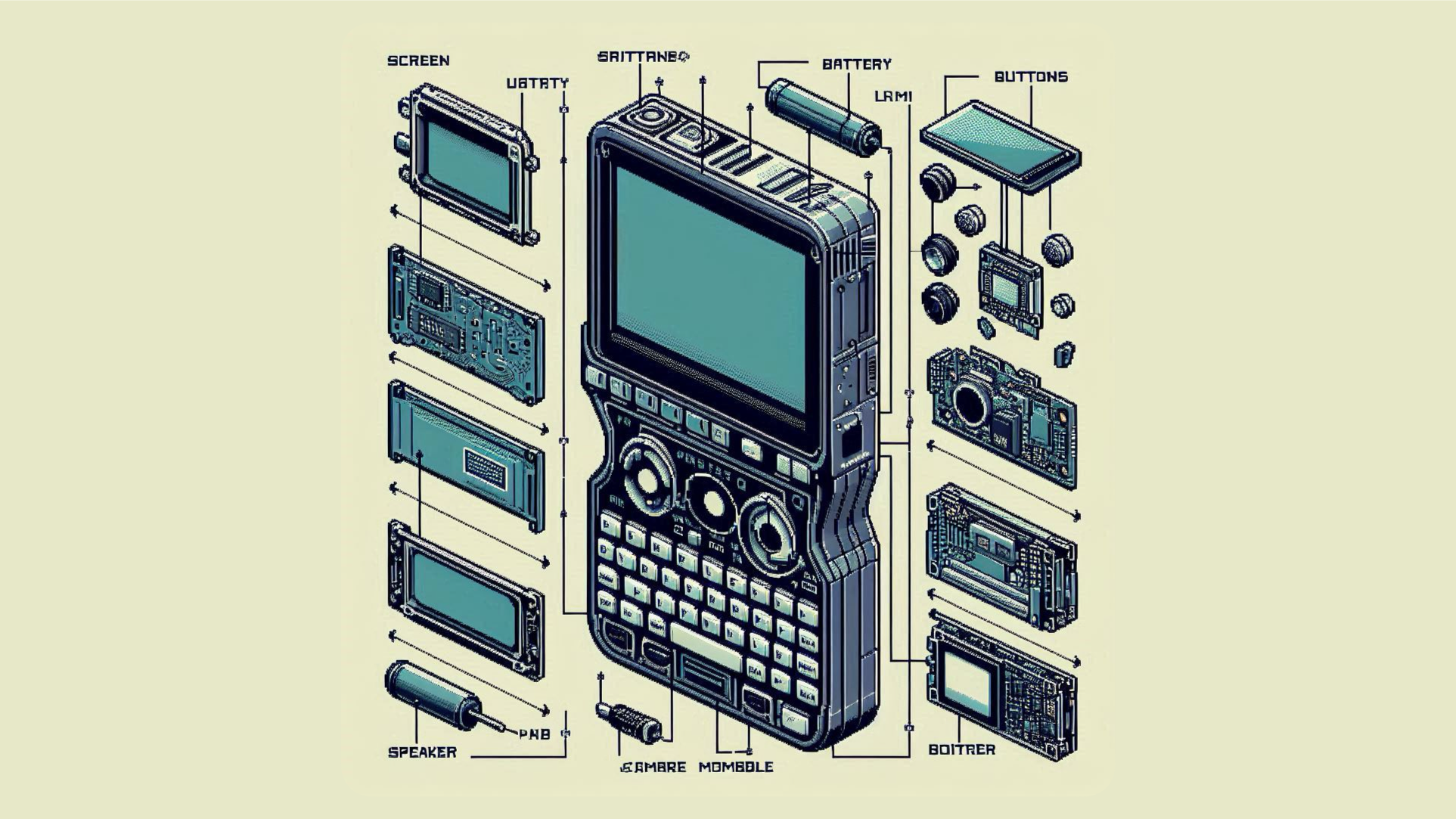
I came across this list from the writer Wendell Berry, who wrote about the rules he had for any new technology. These rules were written in 1987, but feel like they should apply to anything made today. Here is the list.
- The new tool should be cheaper than the one it replaces.
- It should be at least as small in scale as the one it replaces.
- It should do work that is clearly and demonstrably better than the one it replaces.
- It should use less energy than the one it replaces.
- If possible, it should use some form of solar energy, such as that of the body.
- It should be repairable by a person of ordinary intelligence, provided that he or she has the necessary tools.
- It should be purchasable and repairable as near to home as possible.
- It should come from a small, privately owned shop or store that will take it back for maintenance and repair.
- It should not replace or disrupt anything good that already exists, and this includes family and community relationships.

In terms of my favorite of the rules, or the one that I’ve thought about the most often, it’s the rule that any new technology “should be repairable by a person of ordinary intelligence, provided that he or she has the necessary tools.”
I love that my coffee grinder is. I wish my vacuum robot was repairable. I especially hope that we humans can one day have a single computer for ourselves (rather than a new mobile device every couple of years) that we can upgrade as needed (this was what the people in the book A Psalm for the Wild-Built by Becky Chambers had: a mobile device like a phone that they received when they were young and which they paid/communicated etc. with all their lives, cool!!).
But that would mean big change, and change is hard.
None of these rules are a technical challenge, just a human one.


Comments welcome!